
Bridges Built with Hours

Today we explore timebank models tailored to skill trading between older adults and youth, turning generosity and curiosity into shared prosperity measured in hours, not money. Expect practical frameworks, tender stories, and field-tested tips that make participation safe, fair, and joyful. Whether you want to mentor, learn, or organize, you will discover rituals, tools, and safeguards that help every exchange feel meaningful. Tell us what you’d swap, subscribe for updates, and help shape the next circle.

Intergenerational Exchange, Explained with Heart

When people trade hours across generations, value becomes visible in new ways: patience earns as much as coding, storytelling equals spreadsheet help, and each person holds something another needs. These models honor dignity, reduce loneliness, and build confidence. By pairing lived wisdom with fresh perspectives, neighborhoods strengthen trust faster than any grant could buy. Read on to see how roles evolve, momentum builds, and every contribution counts with real, human warmth.

The Hour‑for‑Hour Principle

Instead of dollars, each act of help earns one hour credited to the giver, redeemable later for learning or support. An elder teaching bike repair gains time to request app tutoring; a teen walking a neighbor’s dog earns storytelling coaching. The accounting stays simple, the relationships stay rich, and no one is reduced to a client or a case. Equality of hours invites humility, mutual respect, and genuine curiosity between generations.

Stories from the First Swap Circle

Maya, sixteen, taught Emilio, seventy‑two, to navigate a smartphone for telehealth. In return, Emilio showed Maya how to mend a jacket and sharpen scissors safely. They laughed over tangled charger cables, traded playlists, and compared first jobs. Weeks later, Maya spent saved hours on public speaking guidance from a retired librarian. Emilio used his credits for help organizing photo albums. Trust grew, and neighbors began asking how to join.

Creative Matching That Honors Dignity

Good matches balance capability, comfort, and pace. Some older adults want lively group exchanges; others prefer quiet, one‑on‑one visits. Some youth crave hands‑on projects; others love research or digital creation. Strong facilitators listen closely, map strengths, and rotate roles to avoid labels like helper or recipient. By celebrating micro‑skills—button sewing, meme literacy, plant care, budgeting basics—the network reveals overlooked talents and invites shy participants to contribute confidently and consistently.

Designing Credits That Motivate, Not Manipulate

The structure of earning and spending shapes behavior. Transparent rules encourage generosity without pressure, while small nudges keep hours circulating. Bonuses can reward mentoring or first exchanges, but should never privilege one generation. Clear limits prevent burnout, and holidays of gratitude reset energy. When design choices are co‑created by participants, the ledger becomes a living agreement, reflecting shared values, realistic boundaries, and the joy of making someone’s day better through practical support.

Welcoming Journeys for Older Adults and Youth
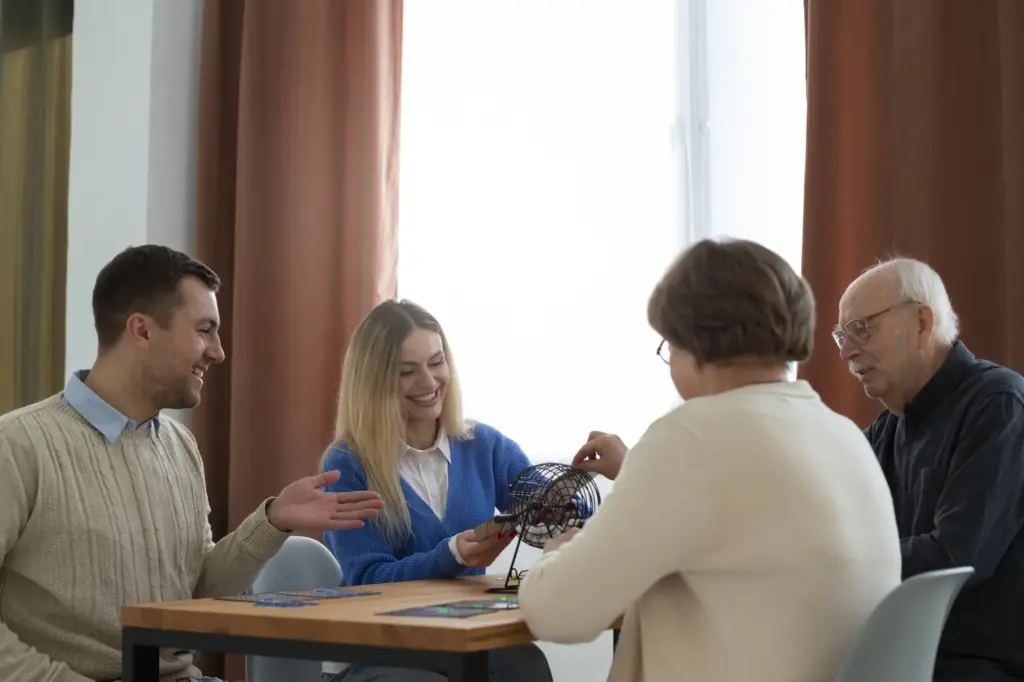
Recruitment begins in trusted places: senior centers, libraries, schools, faith communities, housing associations, and after‑school programs. Warm invitations beat glossy flyers. Orientation should demystify the credit system, showcase success stories, and address safety plainly. Pair newcomers with peer guides who check in during the first three exchanges. Clear, friendly language lowers anxiety. When people enter through familiar doors, with friendly faces and reliable follow‑up, confidence blossoms and the first earned hour arrives sooner.

Tools and Touchpoints Everyone Can Use

Technology should fade into the background, supporting human connection rather than commanding attention. Many elders prefer phone calls or paper cards; many youth prefer messaging and quick taps. Provide both, synced by a simple backend. Accessibility features—large text, high contrast, screen reader compatibility—matter. So do offline options at community hubs. Feedback loops, reminders, and reputation cues should be friendly, not punitive. When tools are humble and kind, participation expands across abilities and comfort levels.

Safety, Ethics, and Everyday Care

Impact You Can Feel and Measure

Beyond smiling photos, sustainable timebanks show real outcomes: reduced isolation, improved study confidence, practical independence at home, and pathways into jobs or further education. Track engagement without surveillance, pair numbers with narrative, and celebrate small wins publicly. Use insights to refine matching, training, and scheduling. Publish an accessible impact page and invite community scrutiny. When people see their hour ripple outward, they invest another, invite a neighbor, and keep the circle vibrant.

Numbers That Matter, Stories That Move

Measure hours earned and spent, first‑to‑second exchange conversion, cross‑age pairings, and skill diversity. Pair data with brief audio or written reflections capturing confidence regained, fears eased, or milestones reached. Use consented quotes at events to honor contributors. Quarterly, host listening circles where participants interpret findings and suggest tweaks. When metrics meet meaning, funders understand, volunteers feel proud, and organizers spot quiet barriers quickly enough to redesign invitations before momentum fades.

Funding, Partnerships, and Longevity

Blend small grants with in‑kind support from libraries, schools, housing groups, and businesses donating space, snacks, or equipment. Offer sponsorship tiers that recognize community leadership without branding the heart out of gatherings. Build advisory coalitions spanning youth councils and elder associations. Document cost avoidance—like reduced callouts or tutoring expenses—to persuade municipalities. Longevity grows when many modest streams converge, shared governance keeps trust high, and the program remains light, adaptable, and mission‑focused.