

Hands Meet Horizons: Elders and Youth Co-Teach Across Craft and Code

Today we explore online platforms that connect seasoned artisans with young learners for truly reciprocal teaching, where heritage techniques meet digital fluency and curiosity. Imagine bobbin lace beside browser tabs, wood shavings near open-source repos, and patient wisdom guiding bold experiments. These spaces honor mastery while welcoming questions, creating joyful circles of learning where elders pass down lived knowledge and learners gift back fresh tools, accessibility hacks, and new ways to share beauty with the world.

The Science Behind Shared Skills

Scholars studying intergenerational programs often describe a flywheel of motivation: elders articulate tacit steps more clearly, strengthening memory, while youth anchor abstract instructions in repeatable checklists or short videos. This blend improves recall, reduces isolation, and nurtures resilience. Neurocognitive work suggests that teaching reinforces pathways for everyone involved, and the dignity of being needed counters doubts about relevance. Platforms that celebrate progress, not perfection, invite consistent practice and keep this beneficial cycle turning.

A Marketplace That Values Meaning

Beyond mere transactions, demand increasingly favors objects and experiences with traceable hands, places, and stories. Platforms that spotlight provenance and process let buyers witness the dance between tradition and adaptation. Apprentices record steps responsibly; artisans explain rituals, symbolism, and sustainable sourcing. Together they craft listings that breathe, priced to honor time rather than race to the bottom. The result is a living market where value includes mentorship, conservation, and community, not simply materials and minutes.

A Grandmother and a Gamer

Picture a grandmother teaching beadwork patterns inherited across five generations, while her teenage partner maps motifs in a simple vector tool, prototyping colorways and accessibility overlays for color-blind crafters. She slows his pace; he lightens her load. Their uploads show side-by-side hands, annotated steps, and laughter over dropped beads. Suddenly heritage gains searchability, and modern design gains soul. Viewers subscribe not to content alone, but to a relationship that keeps curiosity warmly lit.

The Spark of Exchange: Why Intergenerational Craft Learning Works

When practiced craft meets exploratory energy, something luminous happens: skills stick, stories travel, and identities strengthen. Intergenerational learning blends patience with velocity, deep memory with timely tools. Older makers rediscover purpose and audience; younger learners inherit context that search engines miss. Research on mentoring highlights improved confidence, wellbeing, and persistence for both sides. These platforms turn fleeting clicks into shared projects, kitchen-table studios into global classrooms, and private techniques into living knowledge that keeps breathing.

Designing Platforms People Trust

Trust begins long before the first message. Thoughtful platforms create profiles that honor lineage without gatekeeping, schedule across time zones, and embed clear safety practices that respect autonomy. Good design reveals real humans, showcases process, and reduces awkwardness around age, payment, and expectations. Verification should be welcoming, support responsive, translation kind, and discovery serendipitous. When friction is purposeful and kindness is visible, learners return, elders relax, and collaborations confidently move from chat to shared making.

Profiles That Tell a Journey

Replace sterile résumés with living portfolios: a favorite tool’s scar, a mentor’s name, a first stall at a rainy market, a failed prototype that taught patience. Photo essays, workshop maps, and sound snippets animate credibility better than badges alone. Encourage lineage notes and cultural context informed by consent. Prompt younger partners to share accessibility habits, file management styles, and examples of respectful documentation. Story-rich profiles don’t just match skills; they match values, tempo, and care.

Safety Rails Without Walls

Design safety as hospitality. Layer identity checks with flexible privacy controls, offer in-session reporting that pauses gently, include clear dispute pathways, and default to recorded tutorials before live meetings. Pair codes of conduct with concise examples, not legal labyrinths. Add community moderators trained in cultural sensitivity and digital harm reduction. Offer optional insurance for shipped items and studio visits. When people can ask for help without embarrassment, they dare to learn bravely and teach generously.

Matching That Feels Human

Algorithms should suggest delightful neighbors, not just nearest keywords. Blend craft traditions, learning styles, time windows, and project intentions. For example, match a patient weaver seeking documentation help with a night-owl student who loves indexing and color grading. Visualize overlapping goals with simple timelines and shared checklists. Let users tune matches by purpose—practice, portfolio, sale, or preservation—so intent guides the bond. Transparent logic builds confidence and reduces the eerie mystery of purely opaque recommendations.

A Curriculum Built for Two Directions

Reciprocal teaching thrives when lesson arcs invite both demonstration and discovery. Think braided sessions: story, technique, co-making, and reflection captured in simple media. Older artisans sequence subtle steps; youth translate them into repeatable modules, captions, and reference decks. Between meetings, each side practices the other’s world—sharpening chisels, organizing folders, calibrating webcams, and prepping swatches. Assessment becomes celebration through progress photos, small showcases, and micro-commissions that honor effort, not only polish.

Sessions That Breathe and Build

Start with a warm welcome and a tiny win, like tying a clean knot or labeling files clearly. Move into a focused demo with two camera angles, then co-create a miniature piece together. Reserve time to narrate decisions aloud and capture a checklist. Close by setting one respectful challenge each: perhaps stabilizing thread tension, or compressing a video tutorial with readable captions. These rituals turn scattered goodwill into durable, confidence-building routines.
Tools Across Centuries

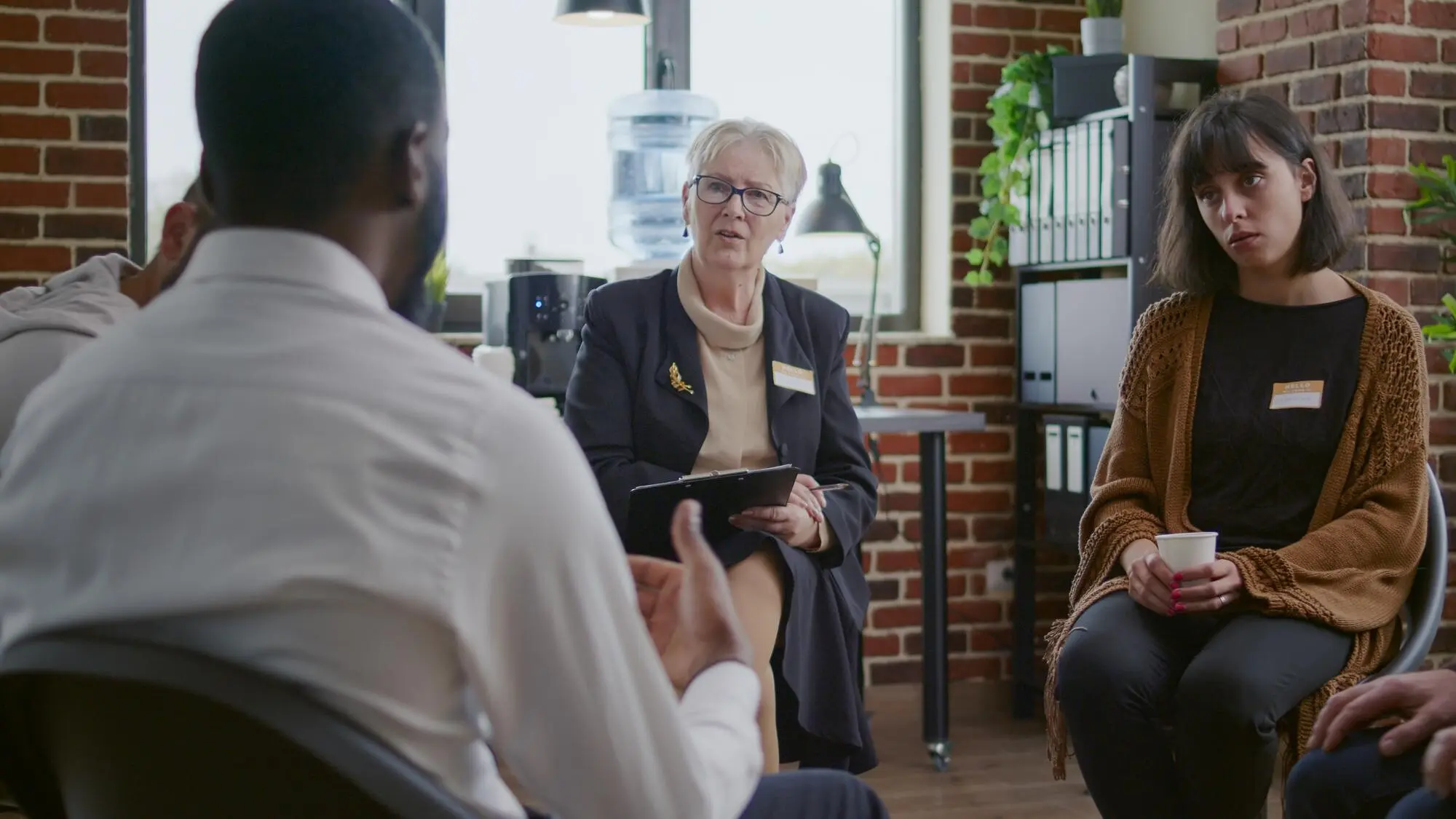
Lay a shuttle beside a smartphone stand, a burnisher near an audio pop filter. Explain what can never be automated and what absolutely should be. Youth demonstrate non-destructive editing, cloud backups, and keyboard shortcuts; elders explain fiber behavior, grain direction, humidity, and patience. Together they choose accessible software, consent-aware documentation methods, and resilient physical setups. The beauty is not novelty for its own sake, but clarity about which tools honor the craft and learner alike.
Assessment as Story, Not Judgment

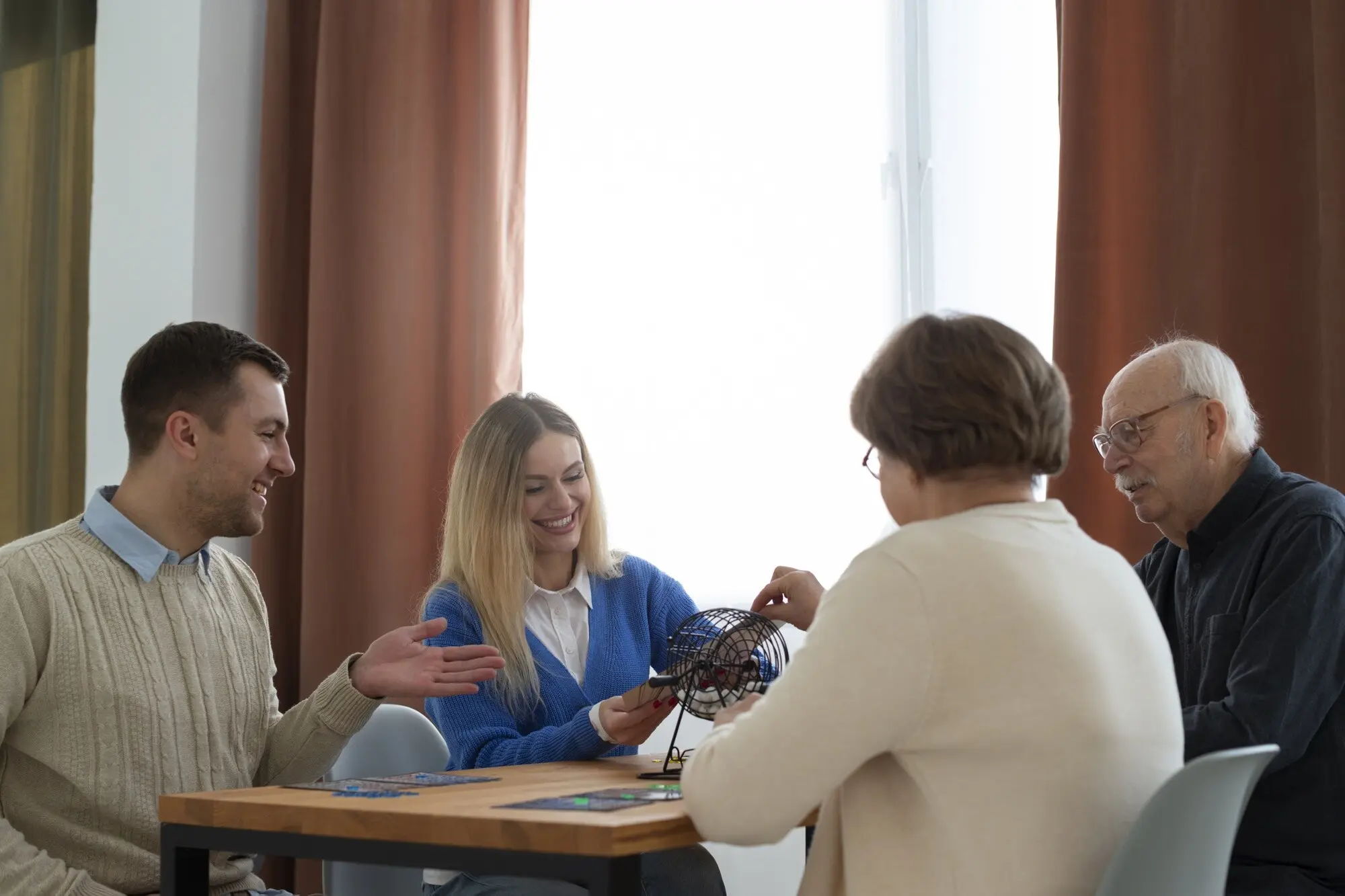
Replace red pens with narrative evidence. A monthly photo grid shows evolving edges, steadier stitches, cleaner joints, and calmer faces. Reflection prompts ask what felt different in the hands, in the timeline, and in the heart. Badges celebrate stewardship, kindness, troubleshooting, and safe studio practice. Micro-exhibitions invite community feedback framed as questions, not scores. The point is momentum and shared pride, allowing progress to be seen, remembered, and joyfully repeated.


Monetization With Dignity and Access

Money should sustain, not distort. Platforms can offer transparent honoraria for elders, fair credits for youth mentors, and sliding scales backed by scholarships. Refund policies respect time while accommodating life’s unpredictability. Revenue mixes might include marketplace fees, optional memberships, philanthropic partners, and limited edition collaborations. Clear, upfront language reduces stigma around compensation, ensuring gratitude flows both ways. When finances feel just and understandable, people show up prepared, creative, and proud to support each other.

Pricing That Honors Labor

Break work into understandable pieces—onboarding, teaching, documenting, curation—and price them separately so invisible labor becomes visible value. Offer bundle discounts for multi-session learning arcs. Publish examples of comprehensive costs from real projects, including materials, shipping, and editing. Broadcast grant windows and community funds prominently. Let tipping be gracious, not required. When compensation reflects the full arc, artisans stop apologizing for time, and learners stop guessing what excellence is worth.

Partnerships That Multiply Impact

Libraries, museums, maker spaces, and cultural centers can host hybrid residencies where elders teach from familiar rooms while platforms handle discovery and logistics. Corporate volunteer programs bring pro-bono captioners and accessibility testers. Municipal arts councils can underwrite apprenticeships tied to local festivals. These braided partnerships stabilize income, expand audiences, and keep pressure off selling every piece. They also invite accountability and documentation standards that protect both living knowledge and the communities from which it springs.

Stories From the Studio

Narratives carry methods further than manuals. Real collaborations reveal how misunderstandings turn into methods and how patience survives poor Wi‑Fi. By showcasing diverse crafts, languages, and bandwidth realities, platforms normalize slow progress and inspire respectful experimentation. These stories invite readers to comment, ask questions, and subscribe for follow-up chapters, learning alongside the protagonists. When people see themselves in the yarns and code, hesitation softens, and the first message becomes easier to send.

Growing a Welcoming Community

Communities thrive when care is ritualized. Host weekly showcases, gratitude circles, and gentle critique sessions where questions outnumber judgments. Publish a warm newsletter highlighting makers, accessible tools, and grants. Encourage replies, voice notes, and short progress clips. Invite elders to office hours, and youth to tool-tip corners. Create seasonal challenges that celebrate experimentation. Most importantly, respond with kindness and speed. When people feel witnessed, they return, contribute, subscribe, and invite others to learn alongside them.

Rituals That Stitch Belonging

Begin Mondays with a prompt inspired by a tool mark or folk song. Midweek, host a fifteen-minute stretch-and-setup where cameras, lights, and hands find comfort. Fridays, feature a pair’s smallest win, not only their most polished piece. These ceremonies reduce perfectionism, normalize asking for help, and surface hidden brilliance. Add birthday shout-outs, remembrance moments for mentors, and postcards mailed to celebrate first sales. Familiar rhythms make brave experiments feel held rather than exposed.

Challenges That Cross Borders

Try a seven-day apprentice swap: each partner documents a single motion from the other’s world—threading a shuttle, exporting a lossless file, truing a blade, or annotating a storyboard. Share outcomes in stitched reels with multilingual captions and open-source checklists. Celebrate missteps as maps. Encourage regional meetups to repeat exercises offline. These playful constraints travel well across languages and bandwidth, fostering humility, humor, and momentum. Participants often stay connected long after the challenge ends.