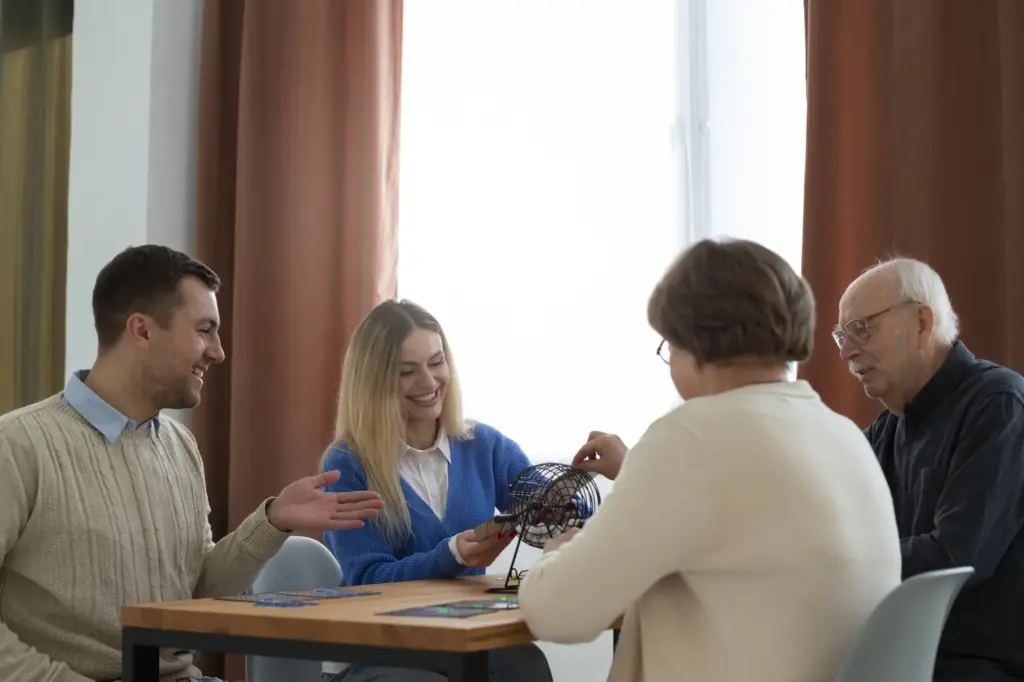
Hands Across Ages: Sharing Skills, Shaping Futures
Why Exchanges Between Ages Matter
Elders’ Expertise Meets Youth Curiosity
Mutual Dignity, Not One-Way Help
Getting Started: Finding Partners and Spaces
Matchmaking That Respects Interests
Ask participants what they love teaching, what they long to learn, and what pace feels comfortable. Short questionnaires paired with a friendly meet-and-greet work wonders. Avoid assumptions tied to age; many elders enjoy coding, while many teens cherish analog photography. When you match by curiosity instead of stereotypes, sessions feel surprising, generous, and far more memorable for everyone involved.
Welcoming, Accessible Venues
Choose a space with bright lighting, quiet corners, stable tables, and enough outlets for devices. Provide clear signage, seating options with back support, and easy restrooms. Offer water and simple snacks to lower nerves. Accessibility matters: large-print instructions, captions on videos, and assistive devices signal respect. A comfortable, thoughtfully arranged room multiplies attention, patience, and the number of delighted, returning participants.
Scheduling That Actually Sticks
Start with micro-sessions of sixty to ninety minutes, repeating weekly or biweekly. Consistency builds relationships, while brevity keeps energy high. Offer hybrid options when possible, using a stable link and a simple phone-in number. Keep a shared calendar, send friendly reminders, and rotate times occasionally to welcome shift workers, caregivers, and students whose availability changes with seasons and responsibilities.
Designing Sessions People Love
Story-Led Beginnings Build Trust
Invite each person to share a two-minute story: how they learned the skill, a mistake they still laugh about, or a person who inspired them. Stories humanize expertise, making questions easier to ask. Keep a timer, applaud brevity, and record key phrases on a whiteboard to revisit later. People remember feelings first, and stories create warm, confident feelings quickly.
Hands-On Activities With Visible Wins
Plan tasks that produce immediate outcomes: edit one photo, sew one sturdy patch, write one persuasive email, or master one privacy setting. Provide checklists, labeled tools, and printed steps with icons. Celebrate progress at halfway and completion. Tangible wins encourage persistence between sessions and help facilitators spot where instructions confuse, so the next iteration becomes clearer, simpler, and kinder.
Reflect, Reverse, and Reinforce
End with a brief reflection: what was hardest, what felt delightful, and what will be tried at home. Then swap roles for a ten-minute reverse share, letting the learner teach something small. Reinforce with a take-home card summarizing steps, vocabulary, and troubleshooting tips. These small rituals convert a pleasant meeting into durable learning people use and proudly pass along.
Skills to Trade Right Now

Analog Arts With Staying Power
Digital Fluency With Purpose
Life Strategies Across Decades
Clear Agreements, Warm Tone
Post ground rules that emphasize punctuality, listening, and patience. Open each session by revisiting them gently, modeling the kindness you expect. Provide a private way to report concerns, and thank reporters for protecting the group. Agreements keep learning spaces generous when tensions rise, and a warm, steady tone reassures newcomers who arrive uncertain, shy, or skeptical.
Accessibility by Design
Prepare large-print guides, high-contrast slides, and captioned videos. Allow standing breaks, offer fidget tools, and vary lighting when possible. Provide quiet spaces for neurodivergent participants. Make instructions multimodal—spoken, written, and visual. Accessibility is not a favor; it is the scaffolding that lets skill exchanges welcome people whose bodies and brains learn in brilliant, different, equally valuable ways.
Safeguarding Across Generations
Use background checks where appropriate, maintain the two-adult rule with minors, and document attendance carefully. Set boundaries for direct messaging and always keep conversations in shared, moderated channels. Offer short training on online etiquette and recognizing scams. When safety feels routine and transparent, participants relax, experiment more boldly, and share responsibility for the collective wellbeing of the entire group.
Keeping the Exchange Alive Online
Extend sessions with simple digital touchpoints that never overwhelm. A monthly email digest, a moderated group chat, and a shared folder for guides keep momentum steady. Encourage asynchronous micro-swaps: a screen-recorded tip, a voice-memo recipe, or annotated photos. Online continuity helps people practice between meetings, invite friends, and celebrate small victories that otherwise disappear by Monday morning.