
Intergenerational Skill Exchange That Changes Lives
Picture neighborhood meetups where high school mentors demystify smartphones, messaging, telehealth, and online safety, while experienced elders demonstrate toolcraft, cooking techniques, budgeting routines, civic savvy, and calm problem‑solving. These community programs where teens teach digital skills and seniors share practical know‑how spark confidence, dignity, and joyful belonging. Explore stories, practical guides, and proven tools to launch, grow, and celebrate a two‑way exchange that strengthens families, libraries, and streets. Tell us how your neighborhood is trading skills and what support you need next.
Why the Exchange Works
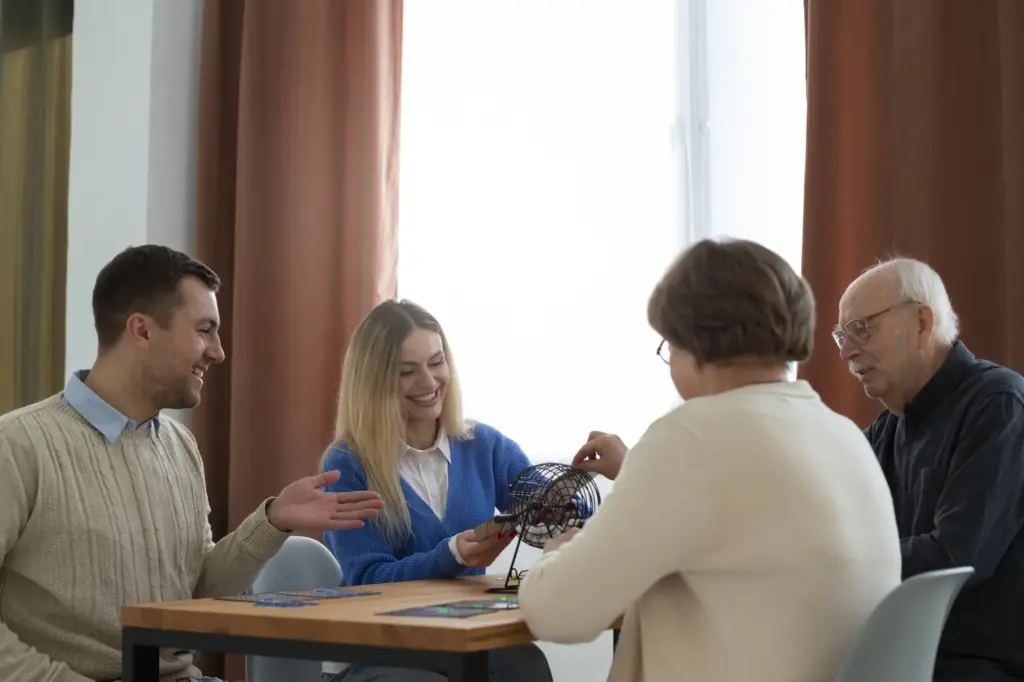
Across generations, strengths complement perfectly: teens carry intuitive fluency with devices and platforms, while older adults contribute patience, context, and steadiness shaped by decades of lived experience. When both sides teach and learn, pride replaces hesitation, and community ties deepen. The result is practical capability, mutual respect, and a cascade of small daily victories, from reclaimed passwords to repaired chairs.
Confidence Meets Curiosity
Pairing an elder’s thoughtful questions with a teen’s quick pattern recognition creates a beautiful learning rhythm. Instead of feeling rushed or judged, participants co‑discover steps, celebrate small wins, and document tips in plain language. Curiosity drives experimentation; confidence grows with each friendly repetition, screenshot, and checklist saved for next time.

Respect Built Through Shared Wins
A teen helps restore access to photos; an elder teaches the safest way to clamp wood without splinters. Each exchange ends with gratitude, not hierarchy. People remember how it felt when someone waited, listened, and cheered. Those emotions anchor future sessions, keep volunteers returning, and motivate newcomers who witness kindness in motion.

Culture, Memory, and Code
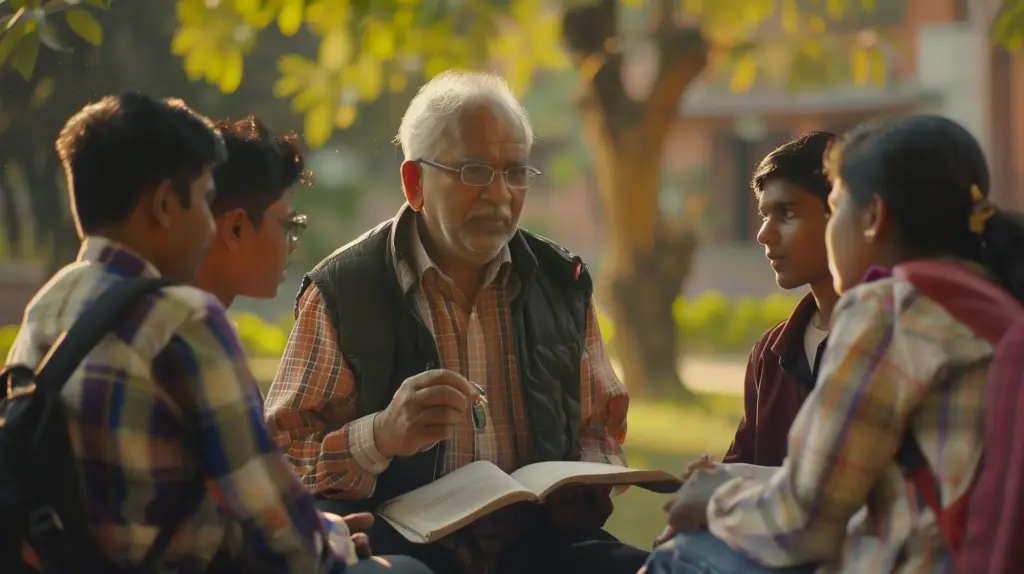
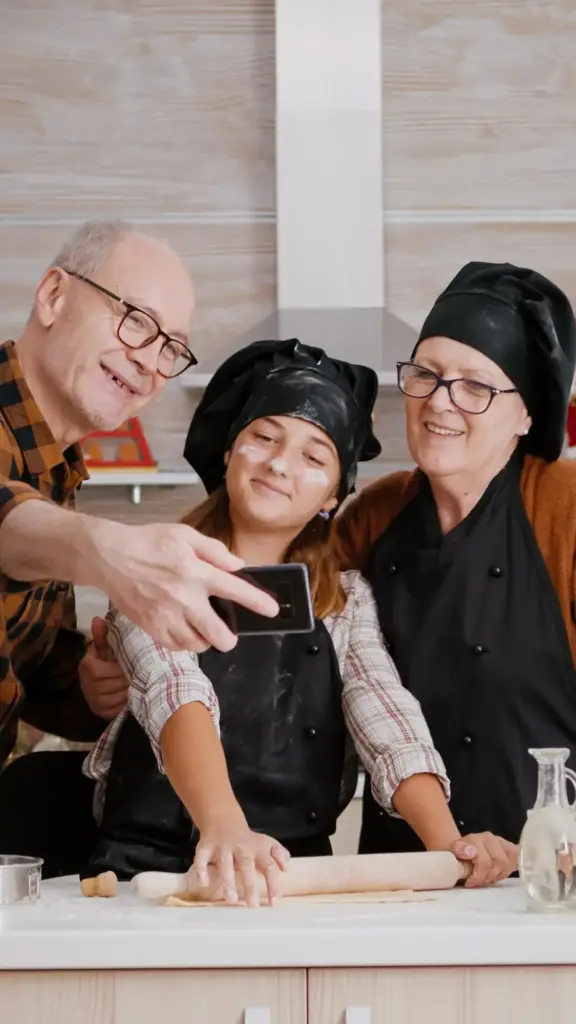
Stories travel alongside instructions. While explaining two‑factor authentication, a grandparent recalls safeguarding ration cards; while showing a precise knot, a student maps steps into a short tutorial video. Memory enriches method. Code gains meaning. The exchange preserves identity, documents neighborhood history, and turns tutorials into living archives families revisit proudly.
Designing Sessions People Love
Good sessions feel welcoming, paced, and purposeful. Clear goals, short modules, and frequent breaks respect attention and energy. Printed guides with large type, multilingual support, and visible name tags ease nerves. Rotating roles keep momentum: teen coach, elder demonstrator, note‑taker, photographer. Snacks, music, and celebration rituals make learning feel like community, not school.
Youth‑Led Digital Skills That Matter
Focus on daily tasks that unlock independence: messaging family, storing medical cards, spotting scams, organizing photos, reading transit updates, and accessing benefits. Emphasize hands‑on repetition over lectures. Save step‑by‑step cards in simple language and print them. Encourage teens to create short captioned videos, so practice continues at home without anxiety or guesswork.
From Tap to Confident Navigation
Begin with gestures, icons, and settings that reduce friction: brightness, text size, emergency SOS, and Wi‑Fi. Practice opening, switching, and closing apps slowly, naming each motion aloud. Repeat across both Android and iOS. The goal is not speed but comfort, so questions multiply, laughter returns, and devices feel friendly again.
Staying Safer Online Together
Role‑play suspicious messages, fake delivery notices, and urgent bank calls. Build scripts for saying no, verifying through official channels, and reporting scams to local agencies. Turn on two‑factor authentication and password managers together. Celebrate every blocked fraud attempt like a neighborhood watch victory, because vigilance improves when people protect one another with shared language.
Everyday Apps That Reduce Friction
Prioritize tools that lighten chores: medication reminders, grocery lists shared with family, voice assistants for hands‑free calls, magnifier apps for tiny labels, transit planners with accessibility filters, and cloud photo albums. Demonstrate offline options and low‑data modes. Confidence grows when technology serves real routines rather than novelty or endless configuration menus.
Elders’ Practical Wisdom in Action
Experience transforms small techniques into lifesavers: testing a ladder, organizing a freezer, labeling breakers, mending a seam, seasoning a skillet, or negotiating a service bill. When elders model patience and method, teens absorb persistence and safety mindsets. These sessions translate tactile judgment into teachable steps, blending craftsman care with modern documentation and sharing.
Tools, Training, and Support
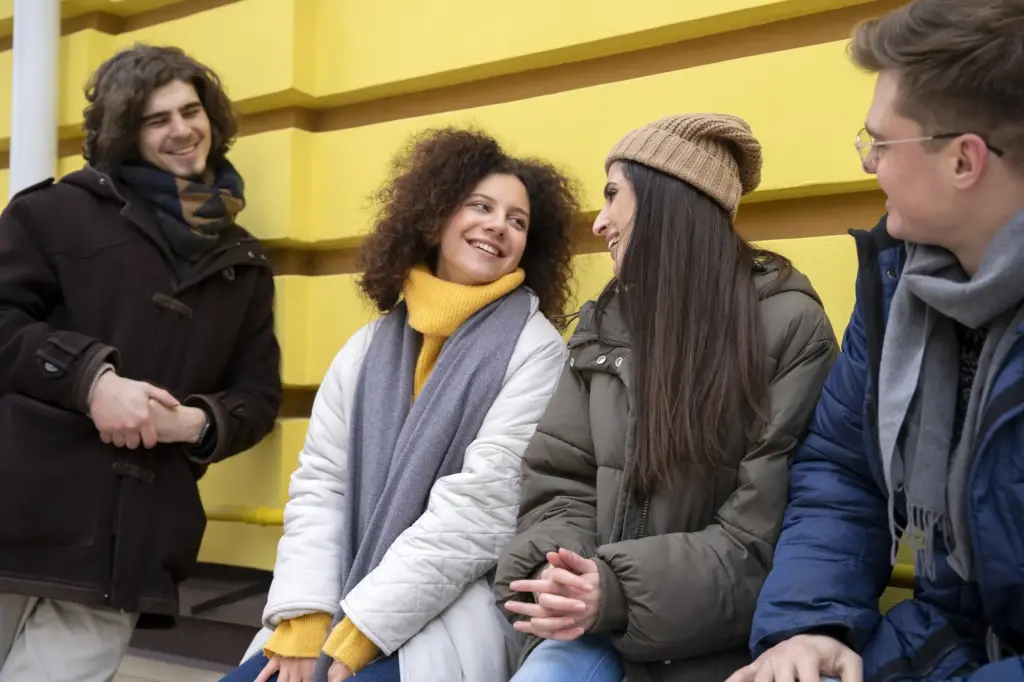
Start with what you have, then grow wisely. Borrow devices, add hotspots, and standardize chargers and label makers. Provide simple curricula, translation support, and facilitation checklists. Train mentors in questioning, pacing, and reflective feedback. Build a safety net with background checks, incident logs, and clear escalation paths, so confidence remains paired with care.
Proving Impact and Growing Community
Measure what matters without drowning volunteers in forms. Track attendance, skill checklists, device confidence ratings, and follow‑up actions like doctor portal logins or repaired items. Pair numbers with portraits: quotes, photos, and short audio snippets. Share findings at council meetings, libraries, and faith centers to invite partners, unlock microgrants, and recruit neighbors eager to help.
All Rights Reserved.